
Who Makes the Israeli Bandage? Uses, Benefits & Application Tips
30th Jun 2026
The Israeli bandage is one of the most recognised trauma dressings in emergency and pre-hospital care. Originally developed for military use, it has since found its way into first responder kits, ambulances, and civilian medical supplies around the world. For anyone working in emergency services or building out a trauma kit, understanding this product properly is worth the time.
In this article, we cover where the Israeli bandage comes from, what makes it effective, how to apply it correctly, and what to do when the gauze sticks to a wound. Whether you are a paramedic, a tactical responder, or a first aid officer, this is practical information that applies directly to real-world emergency scenarios.
What is the Israeli Bandage?
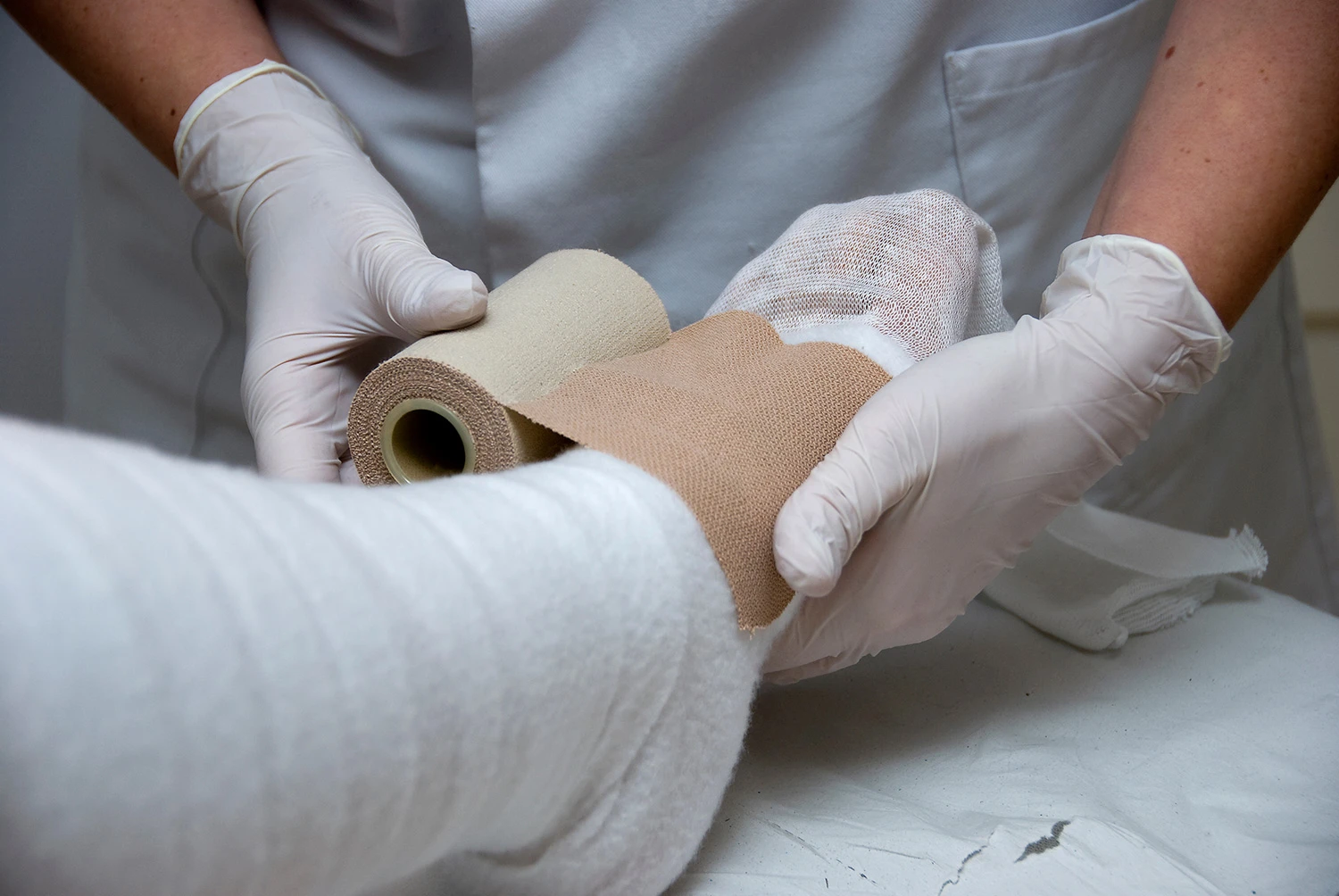
The Israeli bandage, sometimes called an Israeli wrap or emergency bandage, is a trauma dressing built specifically for controlling severe bleeding in emergency situations. It combines three components into a single, easy-to-deploy package: a non-stick sterile pad, a long elastic bandage, and a built-in pressure bar.
That pressure bar is what separates this dressing from a standard wound wrap. It allows the user to apply direct, controlled pressure to the wound without needing a second person to hold the dressing in place. The non-stick pad sits directly against the wound and absorbs blood while reducing the risk of the dressing bonding to the tissue, which makes removal less traumatic later on.
The Israeli bandage is particularly effective for arterial bleeding in the limbs, where blood loss can be rapid and life-threatening. Its compact design and straightforward application make it suitable for use in high-pressure situations where speed and simplicity matter most.
Who Makes the Israeli Bandage?
The Israeli bandage was originally developed by the Israeli Defence Forces. A team of military medical professionals and engineers designed it to meet a very specific need: a compact, single-handed dressing that a soldier could apply to their own wound or a fellow soldier's injury in combat conditions, without requiring specialised training or additional equipment.
The design worked. It worked so well that it quickly moved beyond military applications and into the broader emergency medical field. Today, several manufacturers produce versions of the Israeli bandage, including the original Israeli producers and international suppliers. It is available worldwide and has become standard equipment in trauma kits used by paramedics, law enforcement, military units, emergency medical technicians, and increasingly, trained civilians.
The FirstCare range, available through Rapid Rescue, includes military-grade Israeli bandage options in both 4-inch and 6-inch formats.
These include the:
- 4" FirstCare FCP-01 Military Tactical Trauma Treatment Wound Dressing
- and the 6" FirstCare FCP-02 Military Trauma and Haemorrhage Control Wound Dressing,
Both are designed to meet the demands of serious pre-hospital trauma care.
How to Use the Israeli Bandage
The Israeli bandage is designed for rapid deployment, but correct application is what makes it effective. A poorly applied dressing can fail to control bleeding, which defeats the purpose entirely. Here is a clear, step-by-step guide to applying it properly.
Step 1: Clean the Wound Where Possible
If the situation allows, quickly clear any visible debris from the wound before applying the dressing. In many trauma scenarios, this will not be fully possible, and that is acceptable. The priority is controlling the bleed. Minimise contamination where you can, but do not delay application waiting for a clean environment.
Step 2: Place the Sterile Pad Directly on the Wound
Position the non-stick sterile pad directly over the wound site. The pad is sized to cover the injury and absorb blood while the non-stick surface reduces adherence to the wound tissue. Make sure the pad is centred over the source of bleeding before you begin wrapping.
Step 3: Wrap the Elastic Bandage Firmly
Begin wrapping the elastic bandage around the injured area, keeping the sterile pad in place as you go. The wrap should be firm enough to maintain pressure on the wound but not so tight that it restricts blood flow to the rest of the limb. This distinction matters, particularly when the injury is on a limb where circulation needs to be preserved.
Step 4: Use the Pressure Bar to Apply Direct Pressure
Once you have made your first wrap, thread the bandage through the pressure bar and pull back in the opposite direction. This action applies direct downward pressure to the wound through the sterile pad. The pressure bar is the key feature of the Israeli bandage and what makes it genuinely more effective than a standard wound wrap for serious haemorrhage control. Adjust the pressure until it is adequate for the severity of the bleed.
Step 5: Continue Wrapping and Secure the Dressing
After using the pressure bar, continue wrapping the remaining bandage around the limb or body part. Once you reach the end of the bandage, secure it using the built-in hook-and-loop fastener or closure clip. The dressing should stay firmly in place without slipping, even if the patient needs to be moved during transport.
When to Apply the Israeli Bandage
The Israeli bandage is not a general-purpose wound cover. It is a haemorrhage control device designed for situations where bleeding is severe and needs to be stopped fast. Typical applications include:
- Gunshot wounds with significant blood loss
- Penetrating stab wounds
- Severe lacerations from accidents or machinery
- Blunt trauma causing arterial or major venous bleeding
- Blast injuries in tactical or military environments
It is standard equipment in military and law enforcement trauma kits globally and is equally valuable in civilian pre-hospital care. For emergency responders, having this dressing in the kit and knowing how to use it quickly can directly affect patient survival in the critical minutes before hospital care is available. Rapid Rescue stocks a range of haemorrhage control products designed for exactly these scenarios, including tourniquets, haemostatic gauze, and wound dressings suited to different injury types.
How to Remove Gauze Stuck to a Wound
One of the practical challenges with wound dressings, including the Israeli bandage, is gauze adhesion. Over time, a dressing in contact with a wound can bond to the tissue as blood dries and clots form around the material. Removing it incorrectly can reopen the wound, disturb clots, and cause significant pain. Here is how to handle it properly.
Soften the Dressing First
The first step is always to moisten the dressing with sterile saline solution. Apply the saline slowly to the area where the gauze meets the wound and allow it to soak in. This softens dried blood and loosens the bond between the gauze and the tissue without pulling on the wound directly. Do not rush this step.
Work Around the Edges Gradually
Once the dressing has been moistened, begin working around the outer edges rather than trying to lift the entire dressing at once. Gently separate the gauze from the skin or wound margin, moving slowly and checking for resistance. If you meet significant resistance in a particular area, apply more saline and wait before continuing.
Use Sterile Instruments if Needed
For sections where the gauze is firmly bonded to the wound, use sterile forceps to carefully separate the material from the tissue. Work in small movements and avoid any pulling or tearing. The goal is to remove the dressing without disturbing the clot beneath it or causing fresh bleeding.
Apply a Fresh Dressing Immediately
Once the old dressing is fully removed, assess the wound and apply a fresh sterile dressing without delay. Monitor the wound for signs of infection, including redness, swelling, warmth, or discharge, and ensure the patient receives appropriate follow-up care.
Stocking the Right Trauma Supplies
Understanding the Israeli bandage is one part of building an effective trauma response capability. The right training, the right kit configuration, and the right supplier all play a role in making sure emergency teams are genuinely prepared when serious injuries occur.
Rapid Rescue supplies emergency services, medical professionals, and resellers across Australia with quality trauma and haemorrhage control products. The range includes Israeli bandages in multiple formats alongside first aid kits, tourniquet kits, and a broad selection of resuscitation and stretcher and immobilisation equipment. Wholesale pricing is available for resellers and bulk buyers.
If you want to discuss your team's trauma kit requirements or find out more about the products available, get in touch with the Rapid Rescue team directly.